
ST6 Detailers · Colorado Springs
Motorcycle Paint Protection Film (PPF) — Colorado Springs
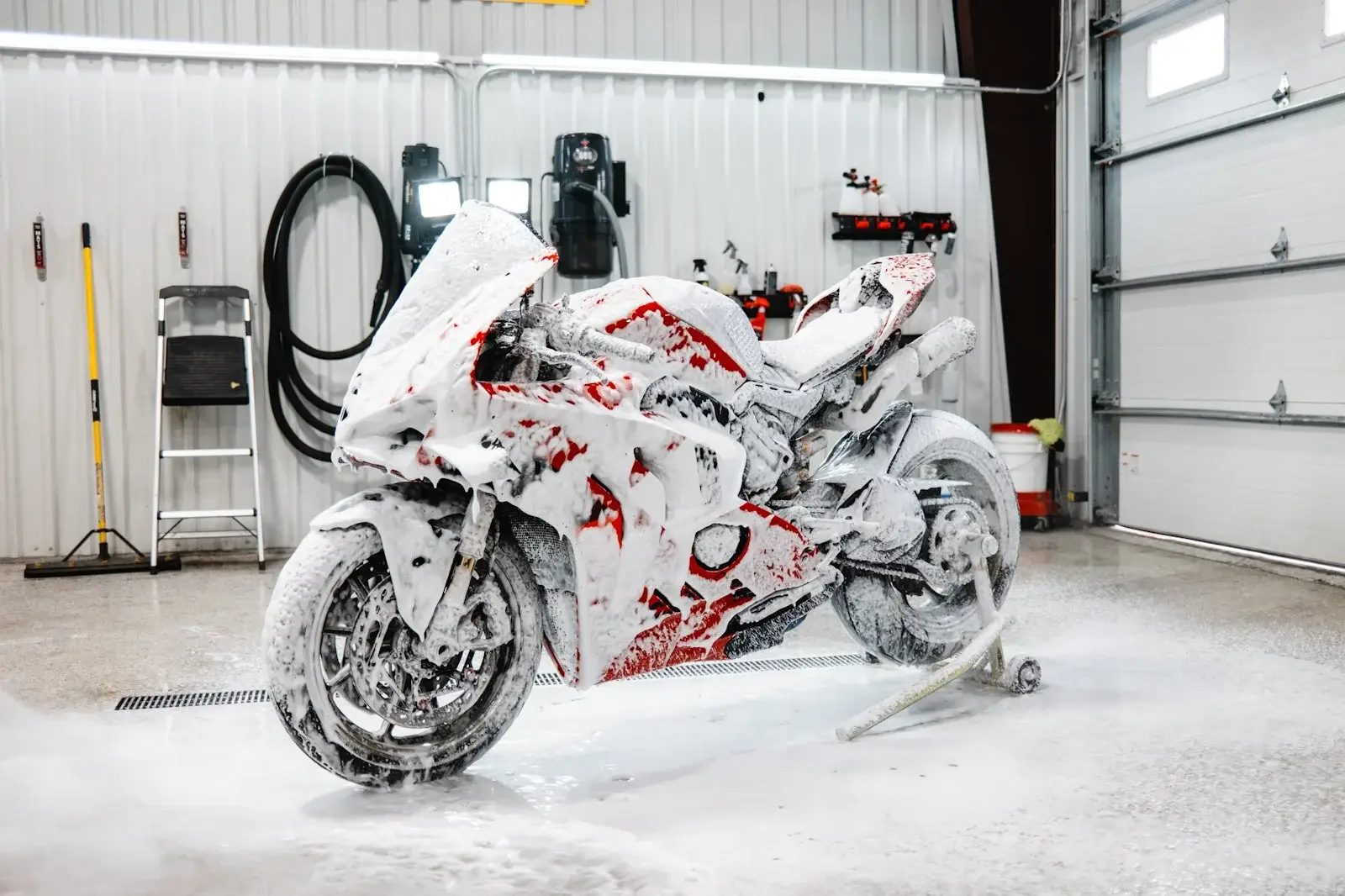
A motorcycle exposes far more painted bodywork than a car ever does — the tank, fairings, and nose sections take every rock chip, bug impact, and riding-gear scuff directly. Motorcycle PPF is a different install than automotive PPF, and it needs a technician who treats it that way.
● Motorcycle-Specific Install
● Custom Quote After Inspection
✓ 3M Authorized Installer
✓ Pairs With Ceramic Coating

★★★★★
400+ Five-Star Reviews
Motorcycle PPFPrecision film for tanks, fairings, and high-contact panels.
Motorcycle DetailingWash, wax, and ceramic packages sized right for a bike.
Motorcycle Ceramic CoatingGtechniq Ceramic Coating for long-term gloss and water beading.
Automotive PPF3M Scotchgard Pro Series coverage tiers for cars, from Partial Front to Full Vehicle.
From Harley-Davidson to Japanese & European Sportbikes — We Protect Them All.
ST6 Detailers installs Paint Protection Film on motorcycles of every style and manufacturer — American cruisers, Japanese sportbikes, European superbikes, touring rigs, naked bikes, and adventure bikes alike.





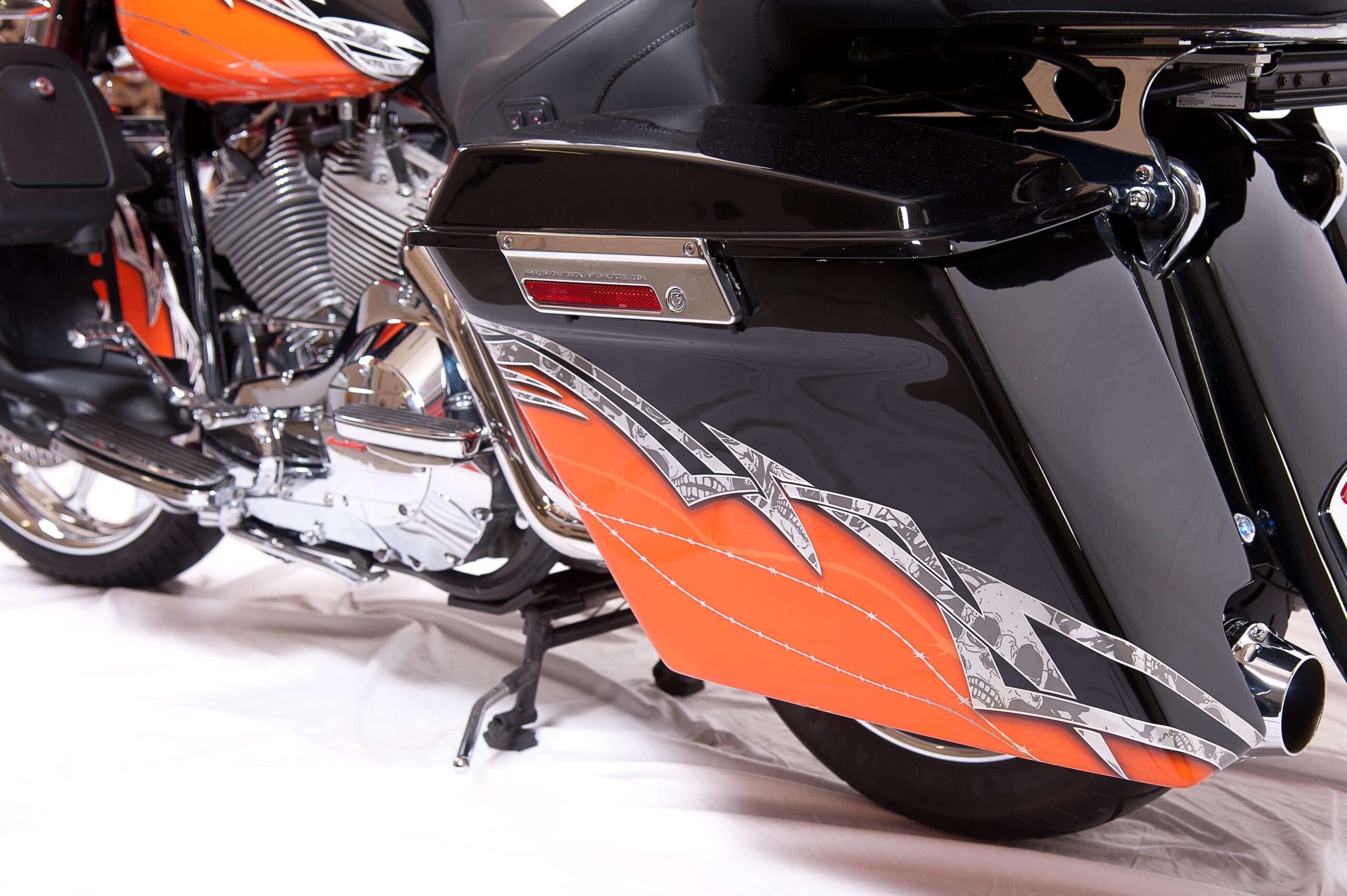
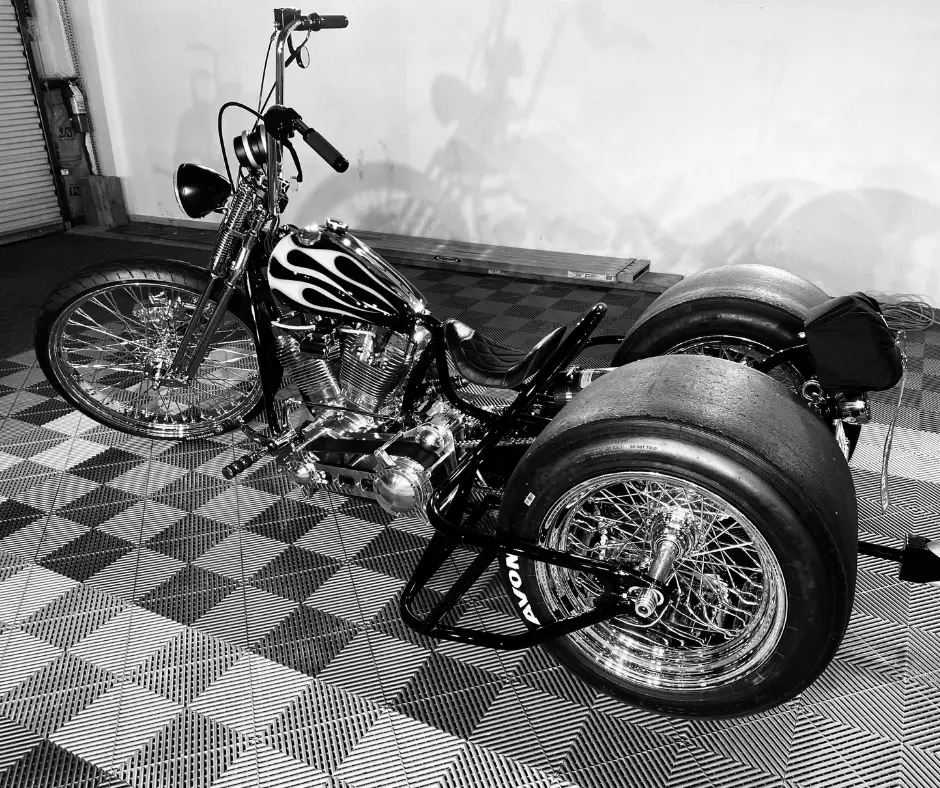
Harley-Davidson PPF, Done Right
Harley tanks, fairings, and touring fairing lowers make up a big share of the motorcycle PPF work we do — and they come with their own quirks. Extended touring bags, wide tank consoles, and the deep-curved fenders on cruisers all need the same precision-cut, heat-formed approach we use on sport bikes and European models, just applied to different bodywork. Whether it's a Street Glide, Road King, Fat Boy, or a custom build, we map coverage to where your specific Harley actually takes damage, not a generic template. Pair it with our Gtechniq Ceramic Coating for full front-to-tail protection.
View Coverage LevelsReal Questions From Colorado Springs Riders
Motorcycle Paint Protection Film Is Its Own Job.
A car's PPF pattern is designed once and cut flat across mostly gentle curves. A motorcycle is the opposite — small panels, aggressive curves, and compound surfaces on every single piece of bodywork.
Why isn't motorcycle PPF just the car process on a smaller scale?
Because the surfaces themselves are fundamentally different. A sculpted fuel tank, a compound-curved fairing, and a tight fairing opening around a vent all require the film to be worked, heated, and stretched differently than a flat hood or door panel. Tight edges near vents and panel gaps also leave far less margin for error than a car's larger, flatter panels.
Can PPF be applied over carbon fiber or custom paint?
Yes, and it's one of the most common reasons riders call us. Carbon fiber components, custom paint, and limited-production bodywork are often irreplaceable or extremely expensive to redo — PPF is the way to protect that investment without changing how it looks.
What makes a bike's bodywork harder to wrap than a car's?
Small panel sizes, aggressive curves, compound surfaces, tight edges around vents and fairing openings, and generally more complex bodywork overall. Every one of those factors means more time spent heating, stretching, and trimming film precisely rather than laying a large flat sheet.
Do you treat sport bikes, touring bikes, and show bikes differently?
The film and process are the same, but the level of care scales with what's at stake. Sport bike fairings, touring bike tanks and saddlebags, and show or collector bikes with irreplaceable paint all get the same precision-first approach — we're not rushing a wrap on a bike you can't easily replace.
Coverage Areas
Where motorcycle PPF actually goes.
Because so much of a motorcycle's painted bodywork is directly exposed, coverage is mapped to the panels that take the most contact and impact — not a one-size-fits-all sheet.
01
Fuel Tank
The most exposed painted surface on the bike, and the one riders notice damage on first.
02
Tank Sides / Knee-Contact Areas
Where riding boots and knees make direct, repeated contact every ride.
03
Front Fairings & Nose Sections
Take the brunt of rock chips, road debris, and bug impacts at speed.
04
Headlight Surrounds
Where applicable, protecting the trim and housing around the headlight assembly.
05
Side & Lower Fairings
Catch road spray, debris, and ground-level impacts most panels never see.
06
Fenders
Front and rear fenders take direct hits from road debris kicked up by the tire.
07
Tail Sections
Exposed to road spray and debris from vehicles behind on the highway.
08
Saddlebags & Panniers
Where applicable — touring bikes see real wear here from loading, straps, and travel.
09
Other High-Contact Surfaces
Any other vulnerable painted or finished component identified during inspection.
Real Colorado Springs Riding Scenarios
What motorcycle PPF actually protects against.
Motorcycle paint takes damage from sources a car never deals with — not just the road, but the rider's own gear and daily maintenance.
Highway & Canyon Riders
Rock chips, road debris, and bug impacts hit the nose section and front fairings hardest on Highway 24 and canyon routes — exactly the panels PPF covers first.
Riding Gear Contact
Boot and knee contact on the tank sides, zippers dragging across panels, jacket buckles, and tank bag straps all leave marks over time — even on bikes that never crash.
Washing & Everyday Wear
Improper washing technique, harsh chemicals, and general wear on high-contact areas gradually dull paint. Self-healing film absorbs the marring instead of the paint underneath.
Motorcycle PPF Coverage Levels
Coverage mapped to how you ride.
Motorcycles vary dramatically in bodywork and installation complexity, so final pricing depends on the motorcycle, coverage selected, panel complexity, and film requirements — every quote follows a real inspection, not a fixed menu price.
Coverage 01
High-Impact Protection
Protection focused on the most vulnerable forward-facing and rider-contact surfaces — the areas that take damage on nearly every ride, regardless of how carefully you ride.
Custom Quote after inspection
- Front fairings & nose section
- Fuel tank leading edge
- Tank sides / knee-contact areas
- 10-year film warranty
Best for: Riders who want the highest-risk panels covered without wrapping the whole bike.
Get High-Impact Quote →Most Chosen
Coverage 02
Extended Protection
Adds additional fairings, tank surfaces, side panels, and other frequently damaged areas on top of High-Impact coverage — the level most riders land on for a bike they actually ride regularly.
Custom Quote after inspection
- Everything in High-Impact Protection
- Side & lower fairings
- Full fuel tank surface
- 10-year film warranty
Best for: Regular riders and canyon/highway commuters wanting broader coverage than the highest-risk panels alone.
Get Extended Protection Quote →Coverage 03 · Apex
Full-Bike PPF
Maximum available coverage for applicable painted bodywork and finished surfaces — fenders, tail section, saddlebags or panniers where applicable, and every remaining high-contact painted panel.
Custom Quote after inspection
- Everything in Extended Protection
- Fenders & tail section
- Saddlebags / panniers where applicable
- 10-year film warranty
Best for: Show bikes, collector motorcycles, custom paint, and carbon-fiber components where the whole bike needs protecting.
Get Full-Bike Quote →Common Coverage Questions
Why isn't there a fixed price for motorcycle PPF?
Bodywork complexity varies enormously between models — a sport bike's fairings and a touring bike's tank and saddlebags need completely different film requirements and install time.
Which level should I pick if I'm not sure?
Extended Protection is where most regular riders land — it covers the highest-risk panels plus the fairings and tank surfaces that see the next-most contact.
Can I start with High-Impact and add more later?
Yes. Many riders start with High-Impact Protection and extend coverage later as budget allows — just let us know when booking a future visit.

3M Authorized Installer
3M Scotchgard Pro Series. Built for tight panels.
3M offers the Scotchgard Pro Series, a premium polyurethane paint protection film. It's 3M's flagship, premium 7.9-mil film, featuring advanced self-healing technology that disappears minor scratches under heat, strong resistance to yellowing, and reliable durability backed by a manufacturer warranty against peeling, bubbling, and cracking — the same film we install on cars, sized right for a motorcycle's curves and compound surfaces.
SH
Self-Healing
Minor scratches vanish using heat from the sun or the engine — the top coat reflows and levels itself out automatically.
CLR
Clarity
High transparency keeps your bike's paint looking original, with no visible haze or color shift over time.
DEF
Defense
Protects against stone chips, bugs, and road salt — the everyday damage that wears down unprotected paint and fairings.
10Y
10-Year Warranty
Backed by a strong 10-year manufacturer guarantee against peeling, bubbling, and cracking.
G/M
Gloss or Matte
Comes in a standard crystal-clear Gloss, or the Matte version for a "stealth" look — same protection, different finish.
HYD
Hydrophobic Top Coat
A built-in hydrophobic top coat repels water and dirt, with high stain resistance for easier post-ride cleanup.
3M Scotchgard Pro Series7.9-mil premium polyurethane film
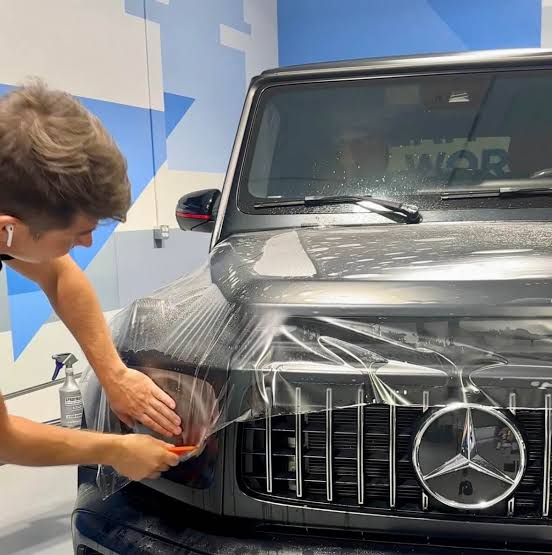
3M Film InstallSame install standard, sized for a bike
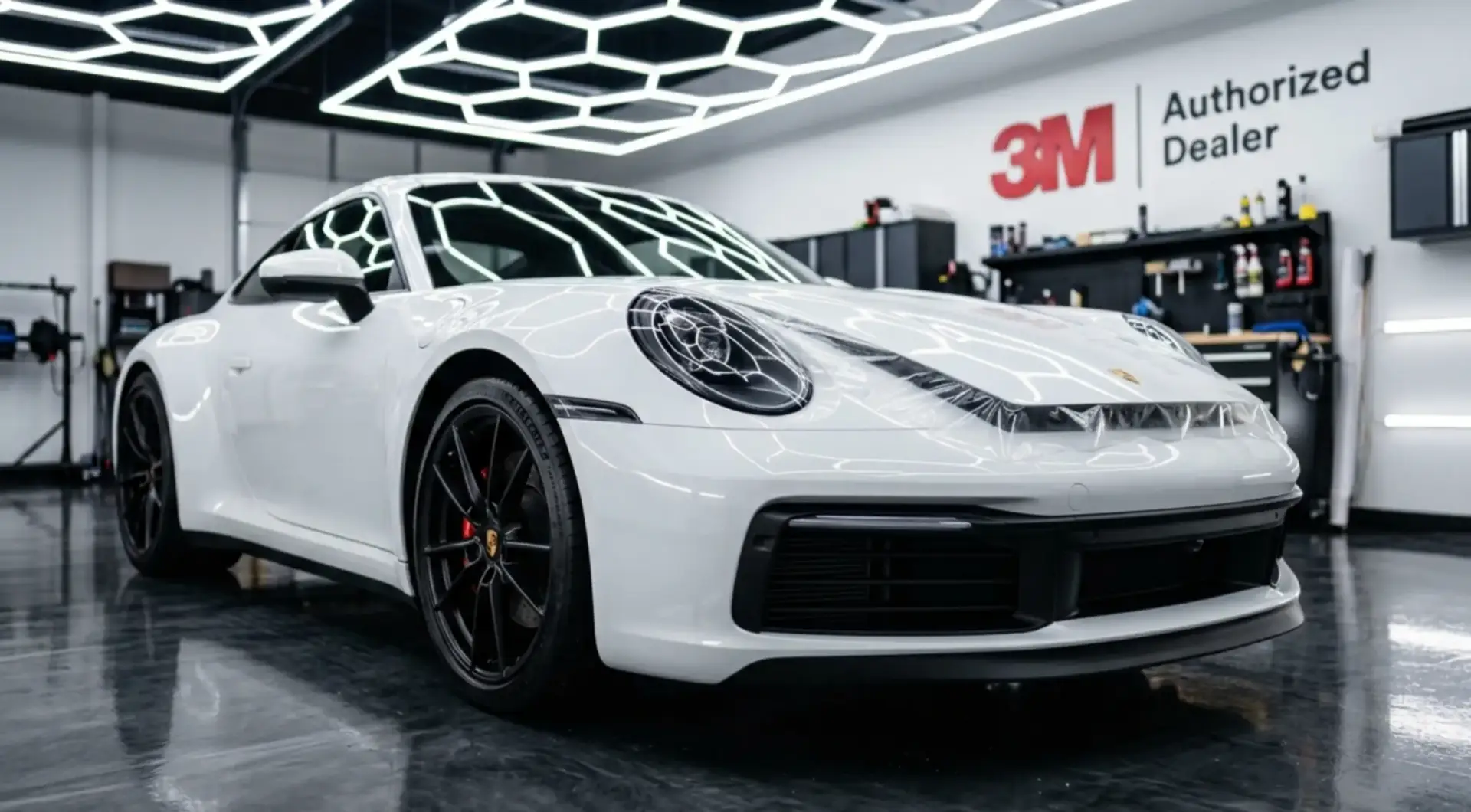
Showroom Finish3M Scotchgard Pro Series, gloss finish
Real Motorcycle Work at 512 Cooper Ave
Handled by the people who stand behind it.
Real bikes from the Cooper Avenue studio — the same precision standard whether it's a daily rider or a show bike.
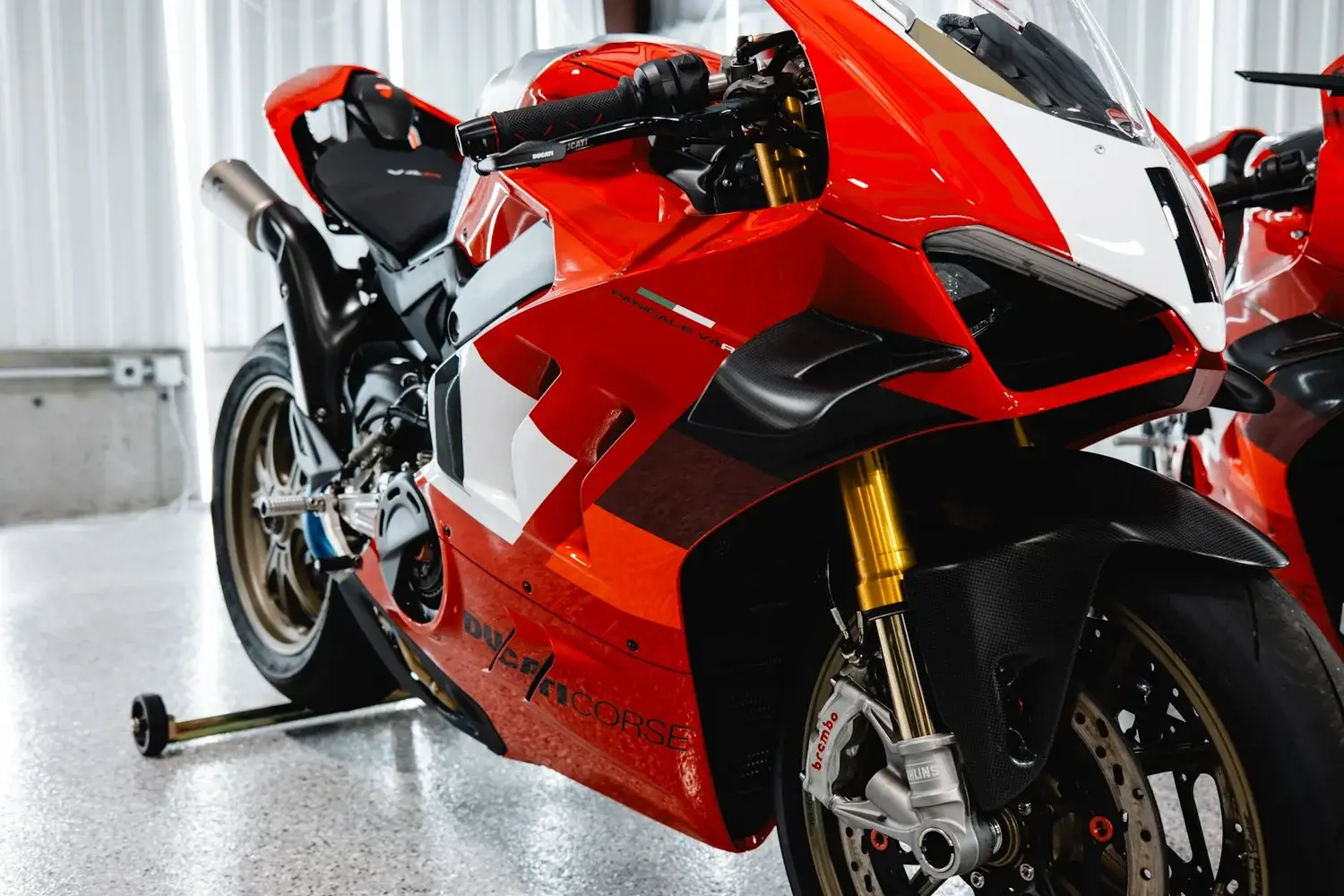
Ceramic Coating PairingFull protection, front to tail
Precision-First ApproachSame care standard on every bike
Bodywork DetailFairings, tank, and fenders inspected
A Question We Get Constantly
PPF vs Ceramic Coating on a motorcycle — what does each solve?
They solve two completely different problems, and most riders who get one eventually add the other.
Motorcycle PPF
Rock chips & road debrisStops them
Bug impactsAbsorbed by the film
Riding gear & knee contactSelf-heals minor marring
Hydrophobic / easier cleaningNot included
Motorcycle Ceramic Coating
Rock chips & road debrisNot stopped
Chemical & UV resistanceProtected
Hydrophobic / easier cleaningStrongest of the two
Gloss enhancementYes
PPF handles physical impact and abrasion; Ceramic Coating handles chemical resistance, hydrophobic behavior, easier cleaning, gloss, and environmental protection. They're not competing products — most riders run PPF on the highest-impact panels and ceramic coat the rest of the bike, or ceramic-coat directly over the film for the best of both.
More ST6 Protection Services
Protecting more than just the bike?
Same precision standard, same Cooper Ave studio — whether it's a car, a bike, or both.
Motorcycle Detailing
Wash & Wax through Ceramic Coating packages, sized right for a bike.
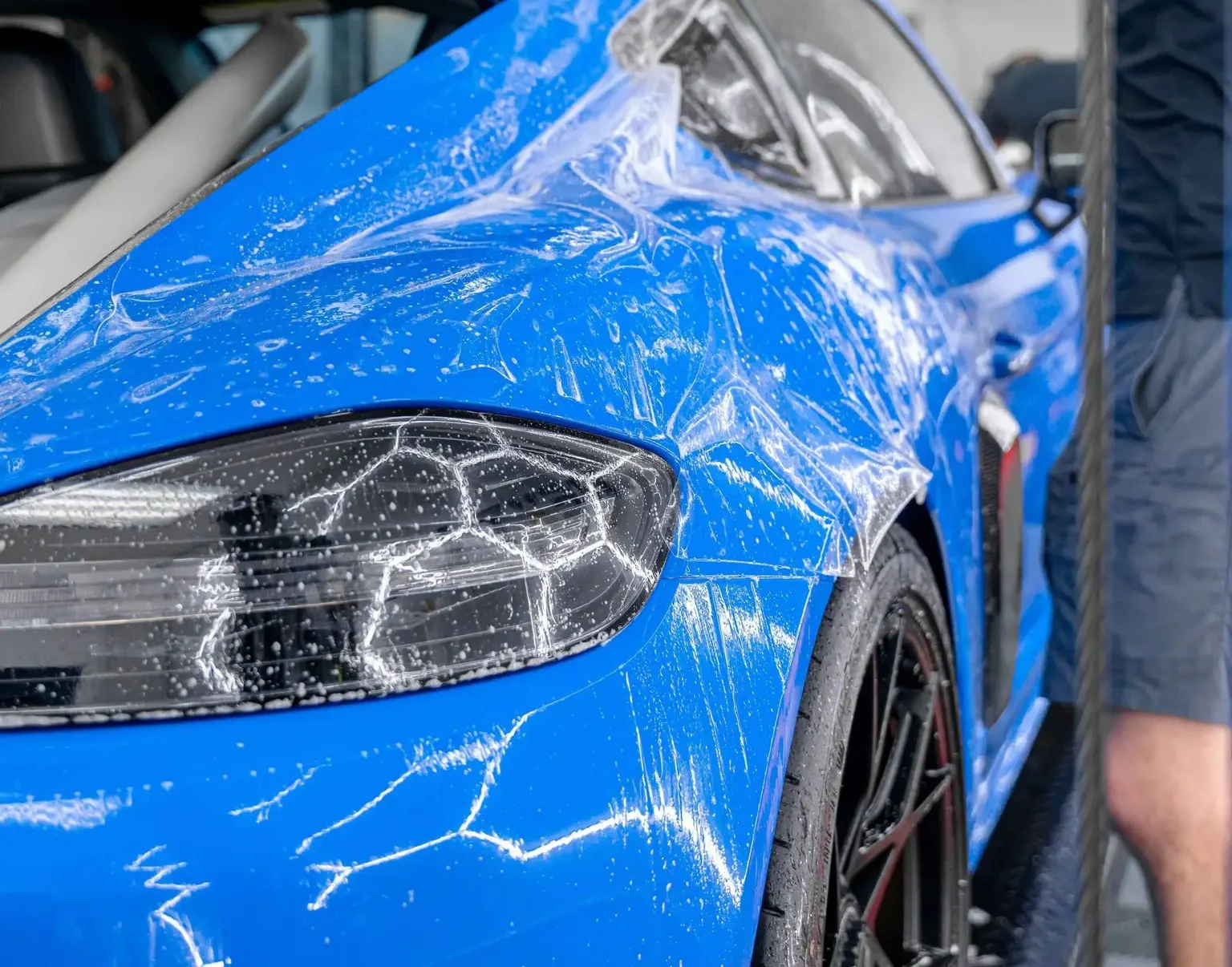
Automotive PPF
3M Scotchgard Pro Series coverage tiers for cars and trucks, from Partial Front to Full Vehicle.
Before You Book
Motorcycle PPF Questions
Clear answers on cost, installation, and what to expect for sport bikes, touring bikes, and collector motorcycles alike.
How much does motorcycle PPF cost in Colorado Springs?
It depends on the motorcycle, the coverage level selected, panel complexity, and film requirements — we don't quote a fixed universal price because bodywork varies too much between models. Every quote follows a real inspection of your bike.
Is motorcycle PPF different from car paint protection film?
Yes, significantly. Small panels, aggressive curves, compound surfaces, tight edges around vents and fairing openings, and sculpted fuel tanks all require a different install approach than a car's larger, flatter panels.
Can PPF be applied to carbon fiber parts?
Yes. Carbon fiber components are common on sport bikes and limited-production motorcycles, and PPF protects them without altering the visible weave or finish.
How long does motorcycle PPF installation take?
It depends on the coverage level and bodywork complexity — a High-Impact install is faster than a Full-Bike wrap with sculpted tank and fairing work. We'll give you a timeframe after inspecting your bike.
Can I get motorcycle PPF and ceramic coating together?
Yes — many riders combine both. PPF handles impact and abrasion protection on the highest-contact panels; Ceramic Coating adds chemical resistance, hydrophobic behavior, and gloss across the rest of the bike, or directly over the film.
Will PPF work under a tank bag or magnetic mount?
Yes, properly installed film holds up fine under tank bags and magnetic mounts — in fact, it's one of the areas PPF helps most, since tank bag straps and magnets are a common source of everyday tank wear.
Protect the Investment
Tell us about your bike, and we'll recommend the coverage that fits how you actually ride it.
Request Details
ST6 Detailers