ST6 Detailers · Paint Correction
Showroom-Grade Paint Correction. Built for Clarity.
Swirl marks, oxidation, light scratches, and dull clear coat — corrected with pro-grade machine polishing. Restores gloss, depth, and reflection before wax, sealant, or ceramic coating.
$ From $399
● 3 Correction Levels
✓ Gtechniq Accredited

★★★★★
400+ Five-Star Reviews
The Basics
What Paint Correction Actually Does.
A plain-language explanation before you book — so you know exactly what you're paying for.
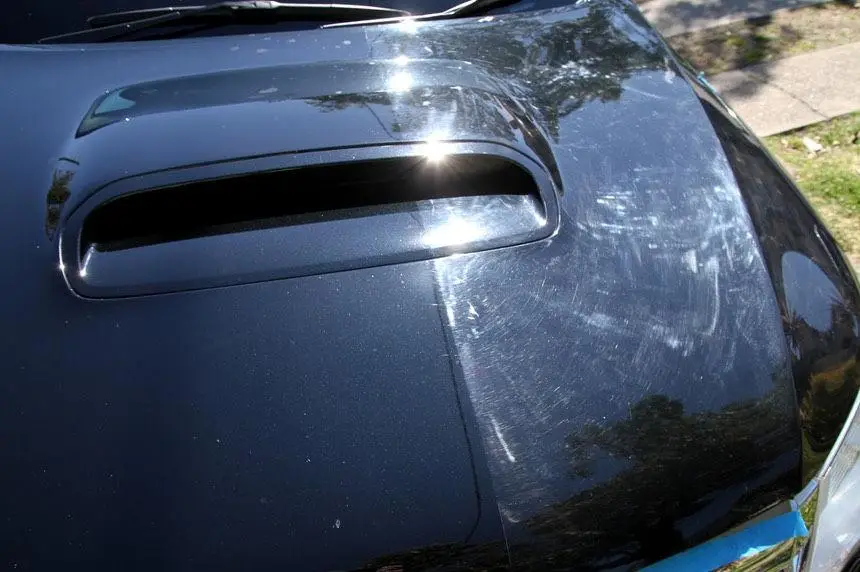
Every clear coat has a thin, hard top layer that protects the color underneath. Wash-induced swirls, spider-web scratches, water spots, and oxidation all live in that top layer — microscopic scratches and etching that scatter light instead of reflecting it cleanly. Paint correction levels that top layer with a machine polisher, cutting compound, and finishing polish until the surface reflects light evenly again. It's not a coating, a wax, or a spray — it's physically removing a tiny, controlled amount of clear coat to eliminate the defects living in it.
01
What Causes the Damage
Automatic car washes, dirty wash mitts, dust-wipe cleaning, and road grime put fine scratches into clear coat over time. UV exposure and airborne contaminants add oxidation, dulling the surface further.
02
What Machine Polishing Does
A polisher spins an abrasive pad against the paint, using compound to physically level the clear coat down to the deepest defect in that pass — removing it instead of hiding it.
03
Why Decontamination Comes First
Wash and decontaminate first, correct second, protect last. Polishing over embedded contaminants or unprepped paint can grind debris into the surface instead of removing swirls.
04
Correction vs. Wax vs. Coating
Wax and sealant sit on top of paint and wash off in months. Ceramic coating also sits on top, just longer-lasting. Only correction changes the paint itself — which is why a coated, corrected surface looks dramatically better than a coated, uncorrected one.
Real Reviews, Real Correction Work.
Verified Google reviews from customers who had paint correction done.
★★★★★I recently had my truck PPF ceramic coated by Dana Starr. He is an expert in his field and my truck came out perfect. Highly recommend ST6 — they are the best at what they do.
★★★★★Dana and his crew did a wonderful job. We're pretty sure the car has never looked this good. Stellar results. A+++
Three Correction Levels
Match the Level to Your Paint.
Send photos and we'll recommend the right level. Most daily drivers fall into Level 1 or 2 — Level 3 is for show-quality results on heavily damaged paint.
"Paint correction" isn't one job — it's a spectrum of machine polishing, matched to how much clear coat needs to be leveled to remove defects. Every level starts with the same full decontamination wash and clay-bar treatment; from there, passes and compound aggressiveness scale up with the paint's condition. Guessing wrong wastes money or leaves swirls behind, which is why we recommend sending photos before booking rather than picking blind.
1-Step Correction · Stage 1 · Removal Rate 50–60%
Paint Enhancement
$399
Single-stage machine polish for light spider-web swirls and oxidation. Perfect for new or well-maintained vehicles wanting a better-than-factory glow.
Labor Intensity
⏳ Typically Same-Day
- Multi-stage decontamination
- Clay bar treatment
- Paint thickness audit
- Single-pass jeweler's polish
- IPA panel wipe
Best for: Newer or well-kept vehicles with light wash-induced swirls, not heavy damage. Pairs well with any ceramic coating term.
Book 1-Step Correction →2-Step Correction · Stage 2 · Removal Rate 80–85% · Most Popular
Color Restoration
$599
Two-step cut and polish for moderate swirling, light scratches, and dullness. Restores true color depth and sharpness.
Labor Intensity
⏳ Typically Same-Day
- Heavy decontamination
- Stage 2 compounding cut
- Stage 2 refining polish
- Edge & trim inspection
- Surface prep for ceramic
Best for: Daily drivers with moderate swirling and dullness after a few years on the road — our most-booked level. Ideal prep before a 3-Year or 5-Year ceramic coating.
Book 2-Step Correction →Advanced Correction · Stage 3 · Removal Rate 95%+
Elite Multi-Step
$899
Multi-day intensive correction with heavy compounding, intermediate polishing, and ultra-fine jeweling for maximum clarity.
Labor Intensity
⏳ Multi-Day Service
- Clinical decontamination
- Heavy compounding for RIDS
- Intermediate polishing
- Jeweling polish for depth
- Multi-spectrum LED inspection
Best for: Show cars, neglected paint, and vehicles going for maximum clarity before a premium ceramic coating — the recommended prep for Ultra 9-Year coatings.
Book Advanced Correction →Common Paint Correction Questions
Will correction remove deep scratches?
Machine polishing levels clear coat to remove swirls, haze, and light-to-moderate scratches you can't catch a fingernail on. Deep scratches that go through the clear coat into base color can be minimized but not fully removed without paint touch-up or repaint — we'll tell you honestly during inspection which category yours falls into.
How do I know which level to book?
Send a few close-up photos of your paint in direct sunlight before booking. Swirls that only show under bright light usually point to Level 1 or 2. Paint that looks hazy or dull even indoors, or has been machine-polished before with no results, is typically a Level 3 case.
Does correction work on any paint color or finish?
Yes — the process is the same for solid, metallic, pearl, and matte-adjacent finishes, though matte and satin wraps require a different non-abrasive approach and aren't included in these levels. Dark colors show swirls more visibly, which is why they benefit most from Level 2 or 3.
Start To Finish
The ST6 Paint Correction Process.
Every vehicle goes through the same seven stages — nothing skipped, nothing guessed.
01 · Paint Inspection
We find every defect before we touch a polisher.
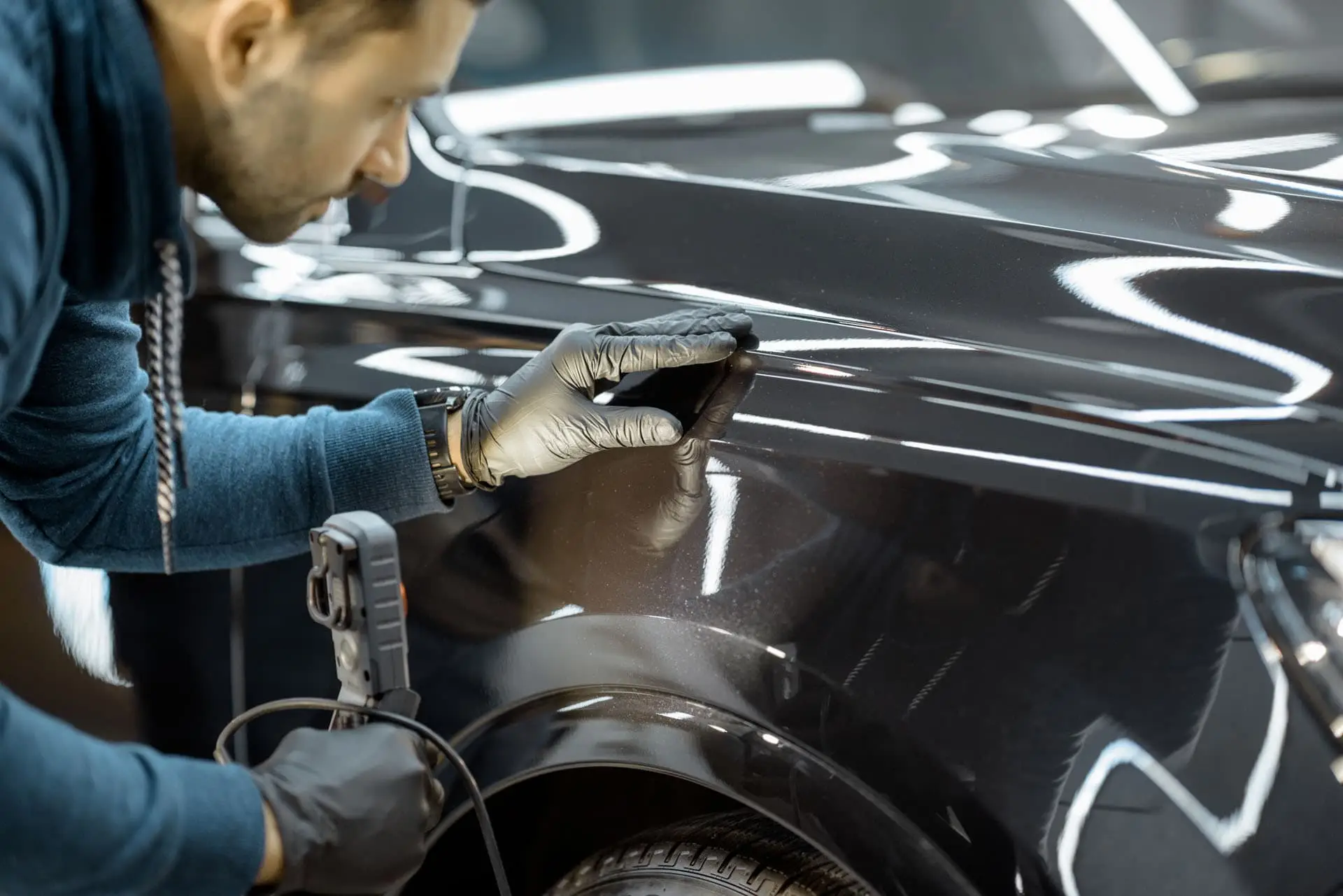
Every vehicle is inspected under professional LED lighting and checked with a paint thickness gauge to identify swirls, oxidation, water spotting, etching, scratches, and holograms — and to confirm the clear coat has enough thickness left to safely correct.
02 · Wash & Decontamination
Contaminated paint gets polished worse, not better.
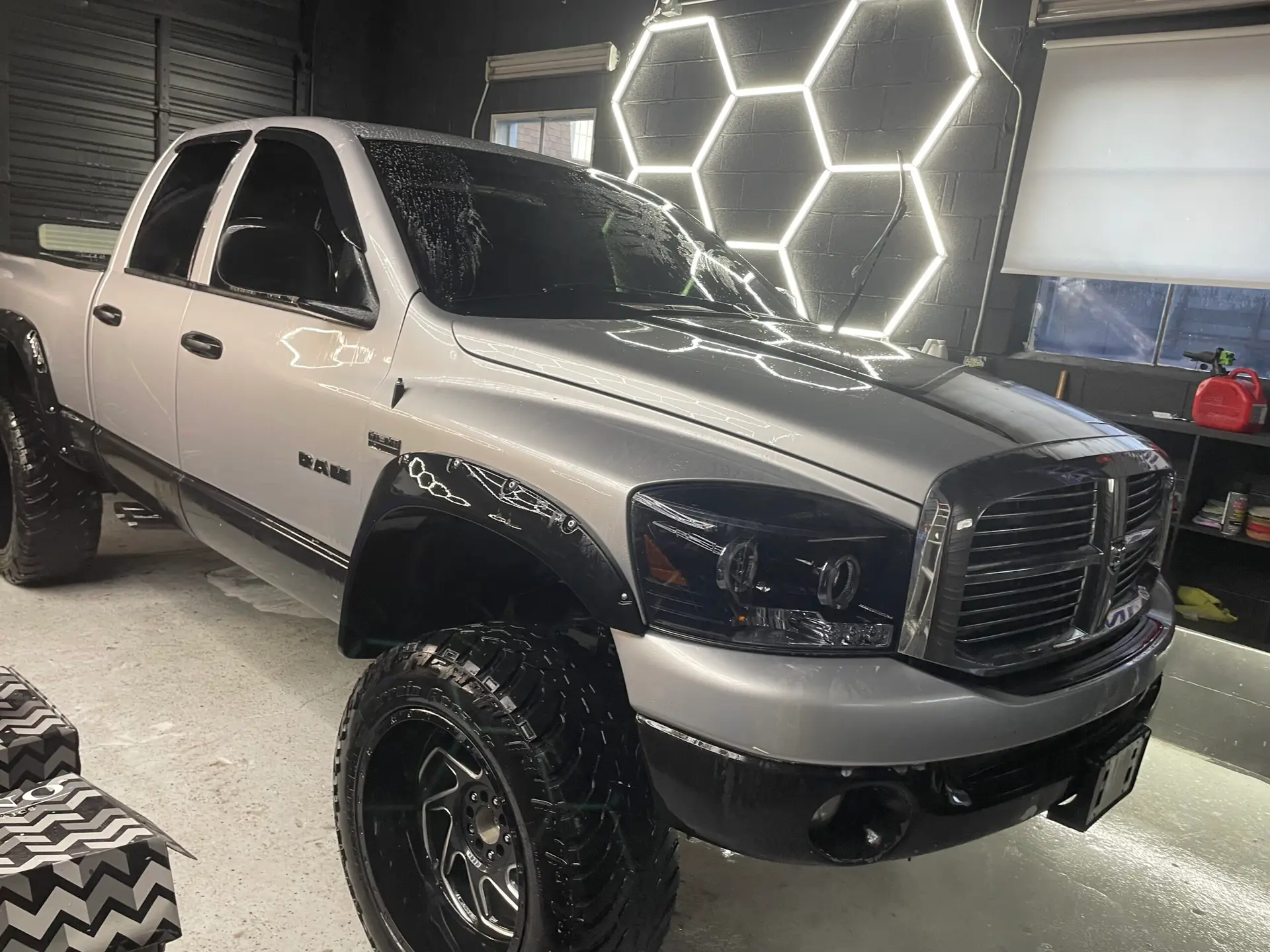
A thorough hand wash is followed by chemical and mechanical decontamination before any machine polishing begins. Skipping this step and polishing over embedded grit or tar can grind new marks into the clear coat instead of removing the old ones.
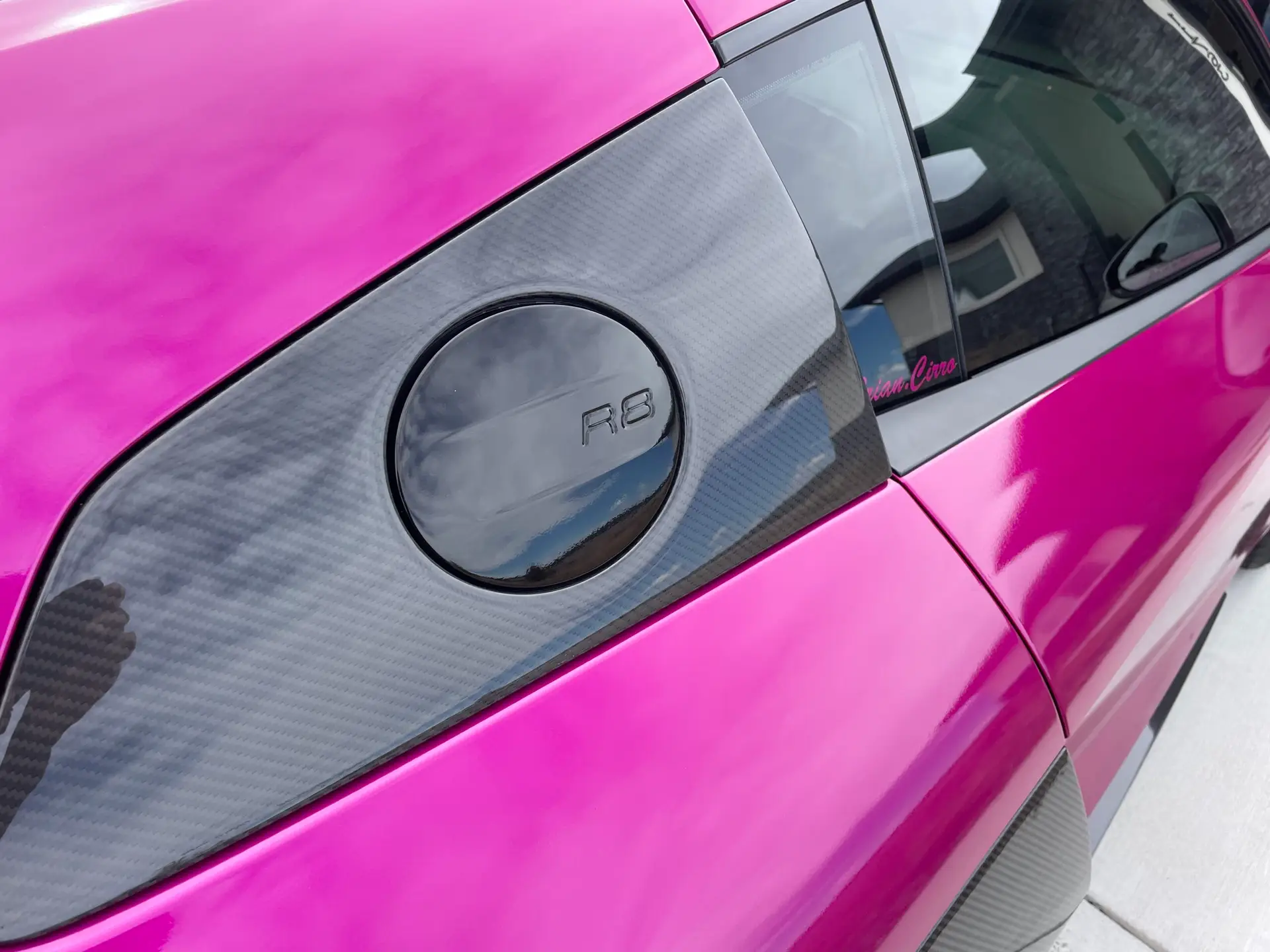
03 · Measurement & Test Section
We test a small section before committing to a pad and compound.
Every vehicle's paint is different — hardness, age, and prior polishing history all change how it responds. We run a test section to confirm the least aggressive pad-and-compound combination that removes the defects, instead of attacking every vehicle the same way.
04 · Machine Compounding
Heavier defects get cut down first.
Using professional rotary and dual-action polishers with the pad and compound identified in testing, we correct the heaviest swirls, scratches, and oxidation across the panel — the most labor-intensive stage of the process.
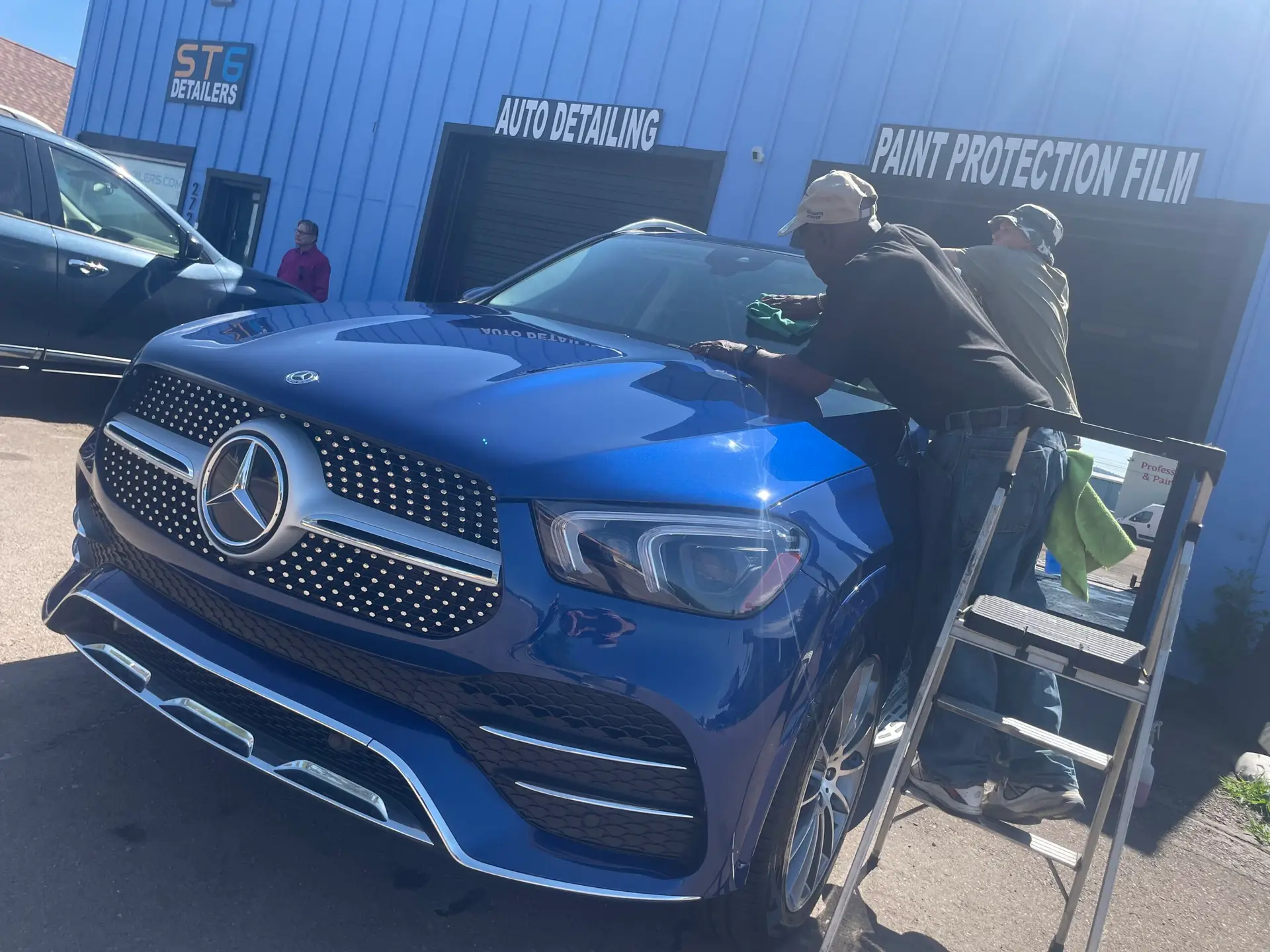
05 · Refinement & Finishing Polish
The final pass is about clarity, not cutting.
A finer finishing polish refines the surface left by compounding — improving clarity, gloss, and depth while removing any light haze, then hand-wiped down to a clean, even finish.
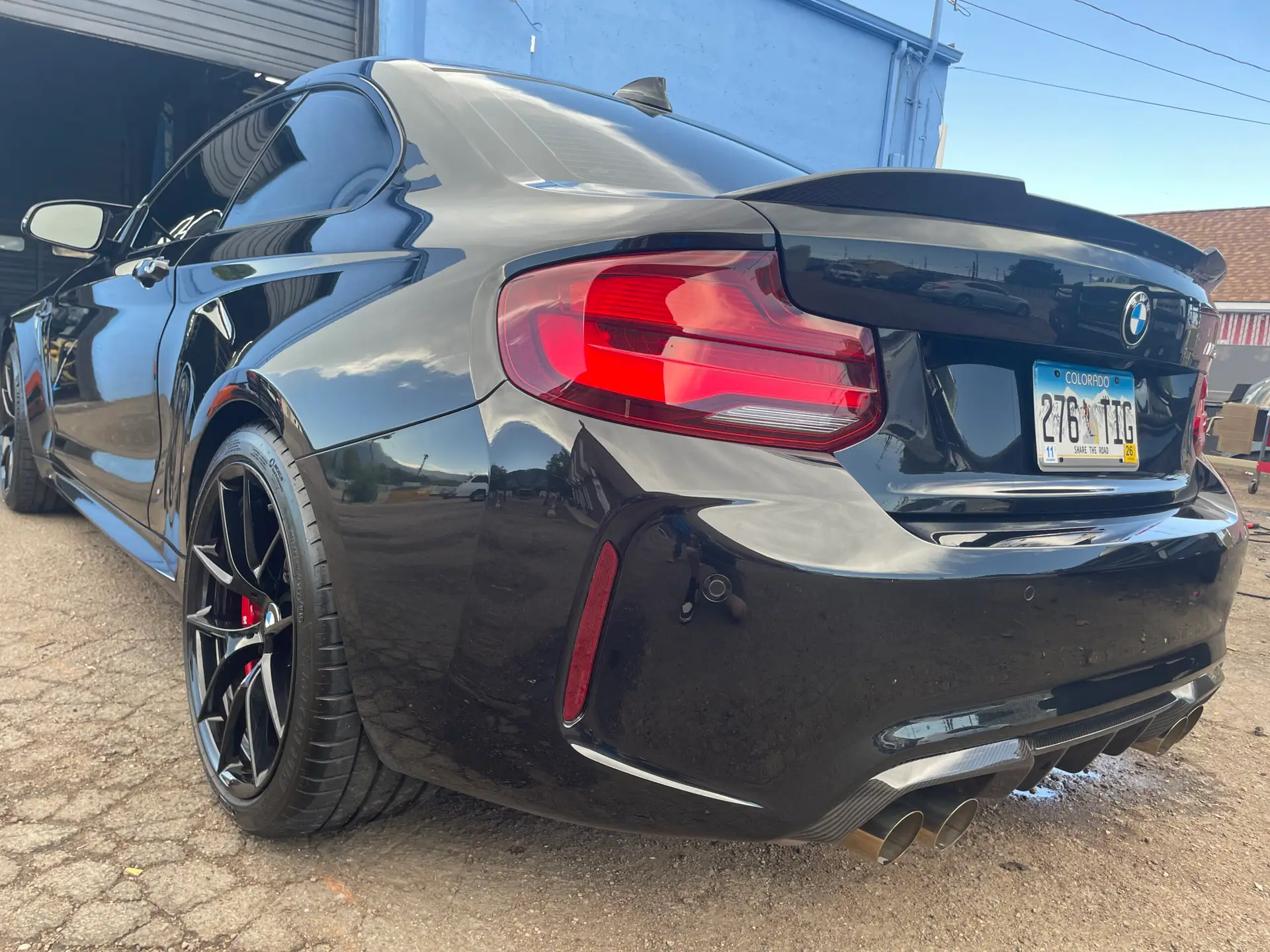
06 · Final Inspection
We check our own work before you do.
The finish is inspected again under controlled lighting to confirm the defects identified in step one are gone and the surface is ready for protection — not just polished, but checked.
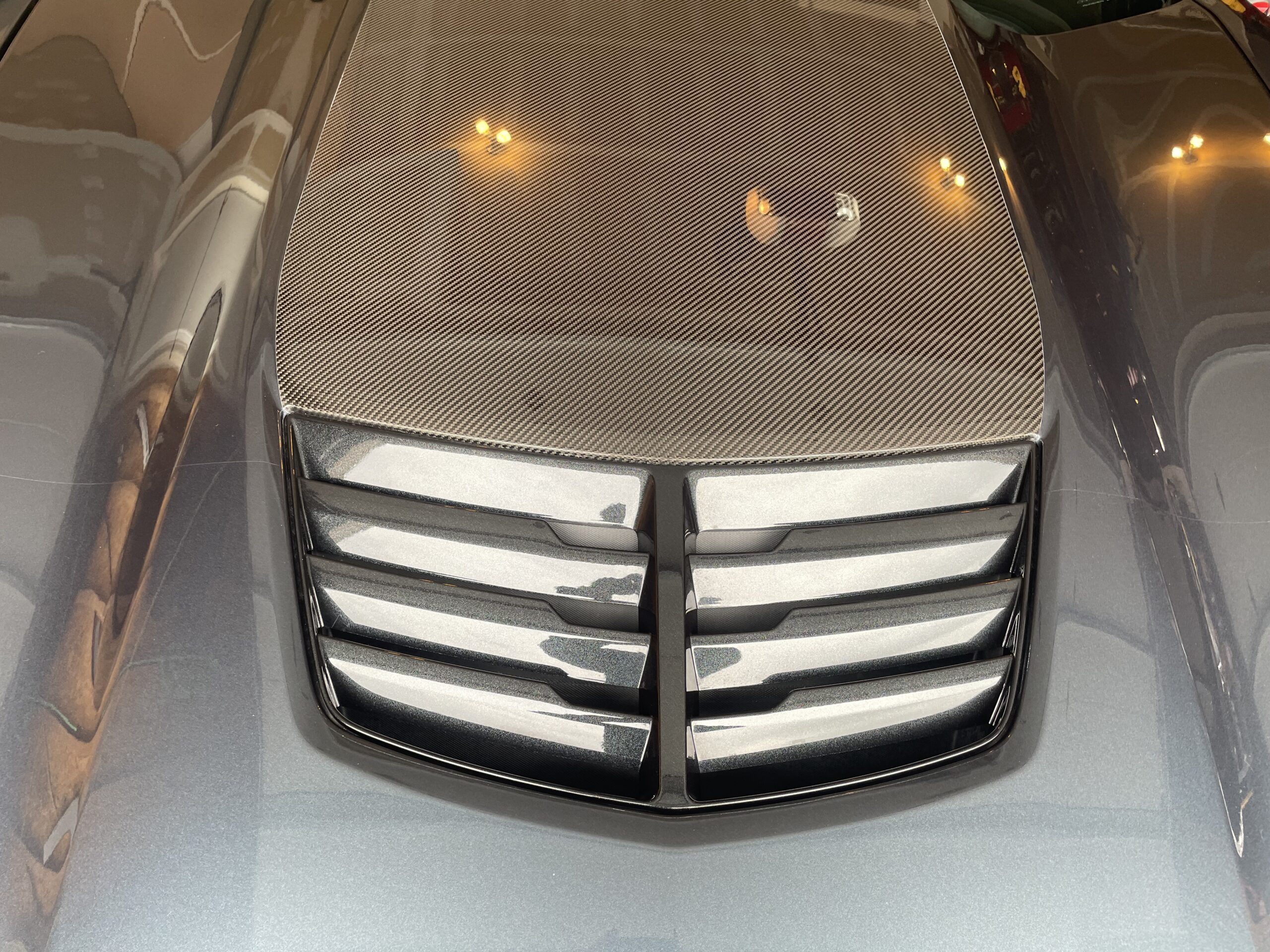
07 · Paint Protection
Corrected paint gets locked in, not left exposed.
The corrected surface is then protected with your selected package — sealant, or a Gtechniq ceramic coating. Skipping this step means the swirls we just removed start coming back with everyday washing.
See The Difference
Restore the Depth That Was Always There.
Same vehicle, same paint — corrected to reveal the depth and clarity hiding under years of swirls and oxidation.
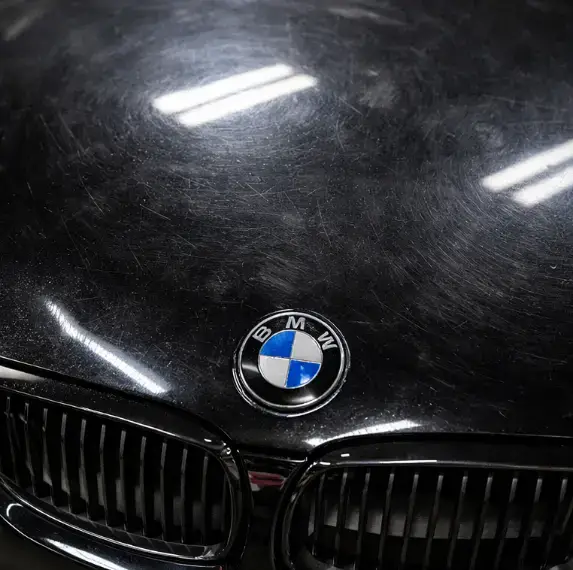 Before
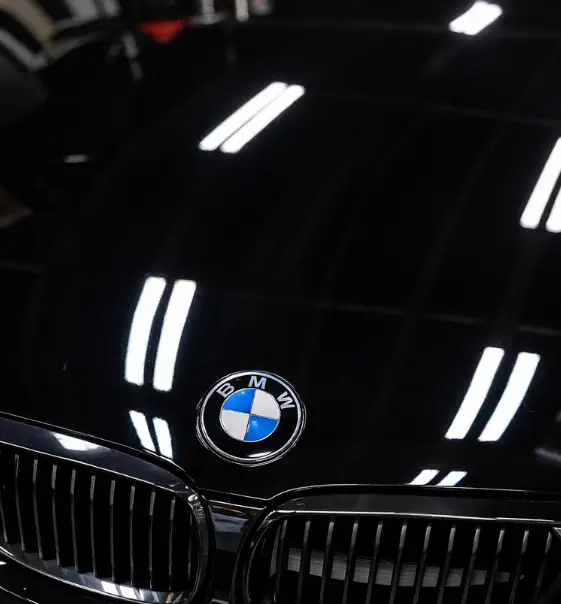 After
AfterSame hood, same lighting — before and after a full correction pass.
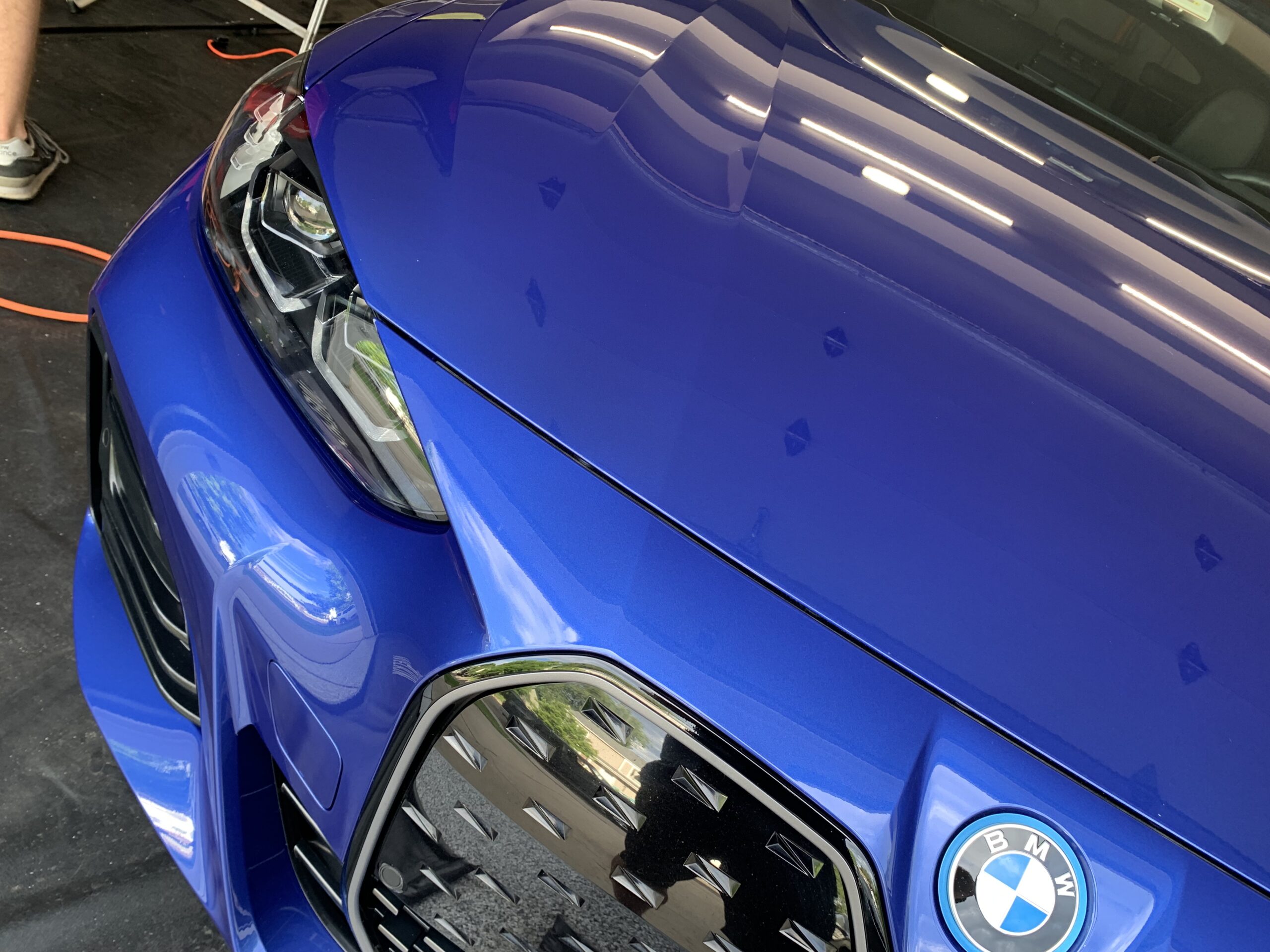
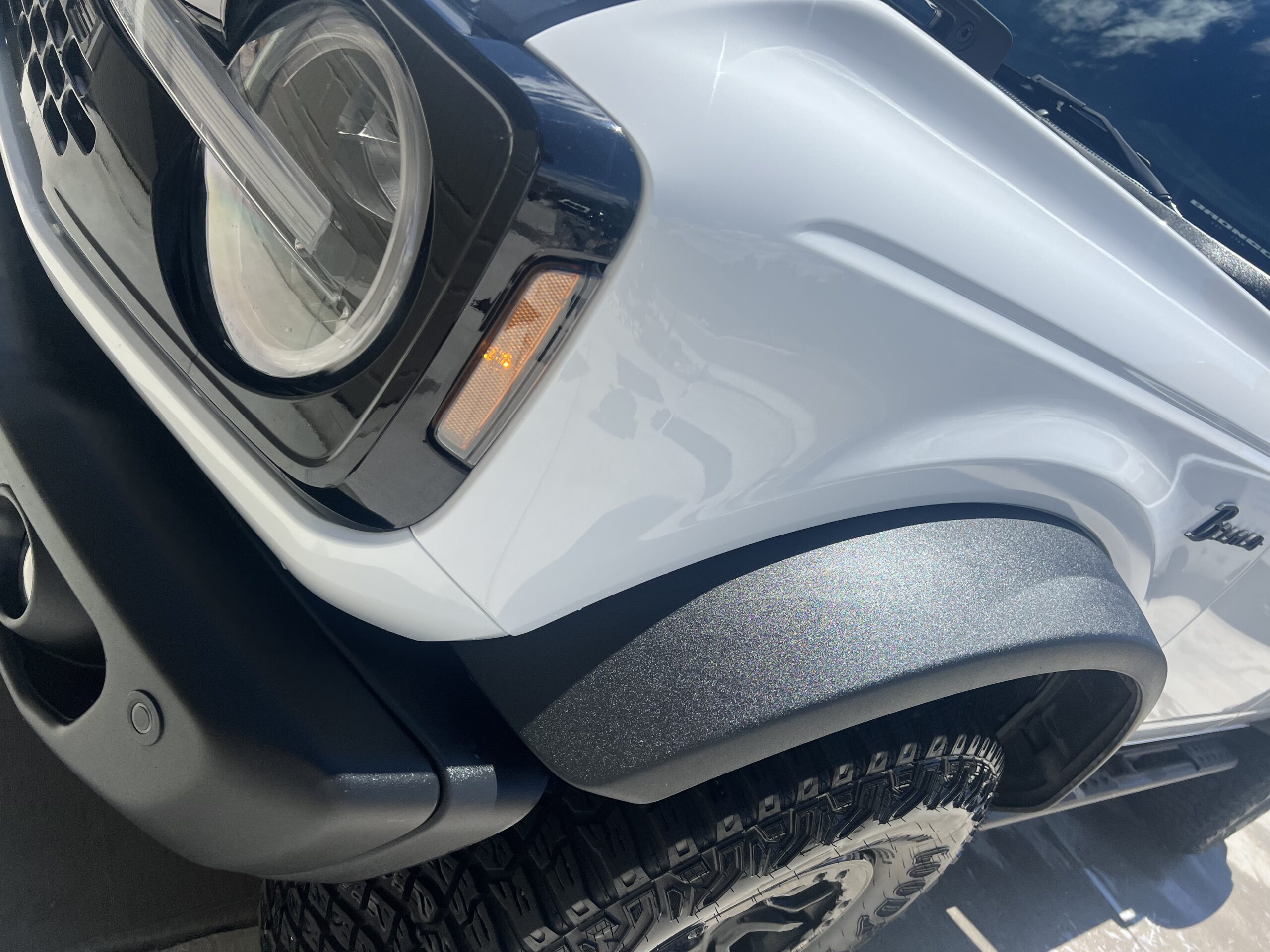
Every job starts with an inspection under direct or LED lighting — that's the only way to actually see swirl depth and decide which level the paint needs, rather than guessing from a photo in normal light.
Next Step
You've Corrected the Paint. Now Protect It.
Correction fixes the surface. Ceramic coating protects the result.
Paint correction removes the defects living in your clear coat and restores gloss, depth, and clarity. On its own, though, that surface is exactly as exposed to swirls, UV, and road grime as it was before — nothing about correction changes how paint reacts to everyday washing. A Gtechniq ceramic coating goes on top of the corrected finish and creates a hard, chemical-resistant layer that keeps new swirls from cutting in as fast and makes the paint noticeably easier to keep clean. Someone already investing in correction is the best possible candidate for it, because the surface it's applied to is already as close to perfect as it can get.
Best Balance
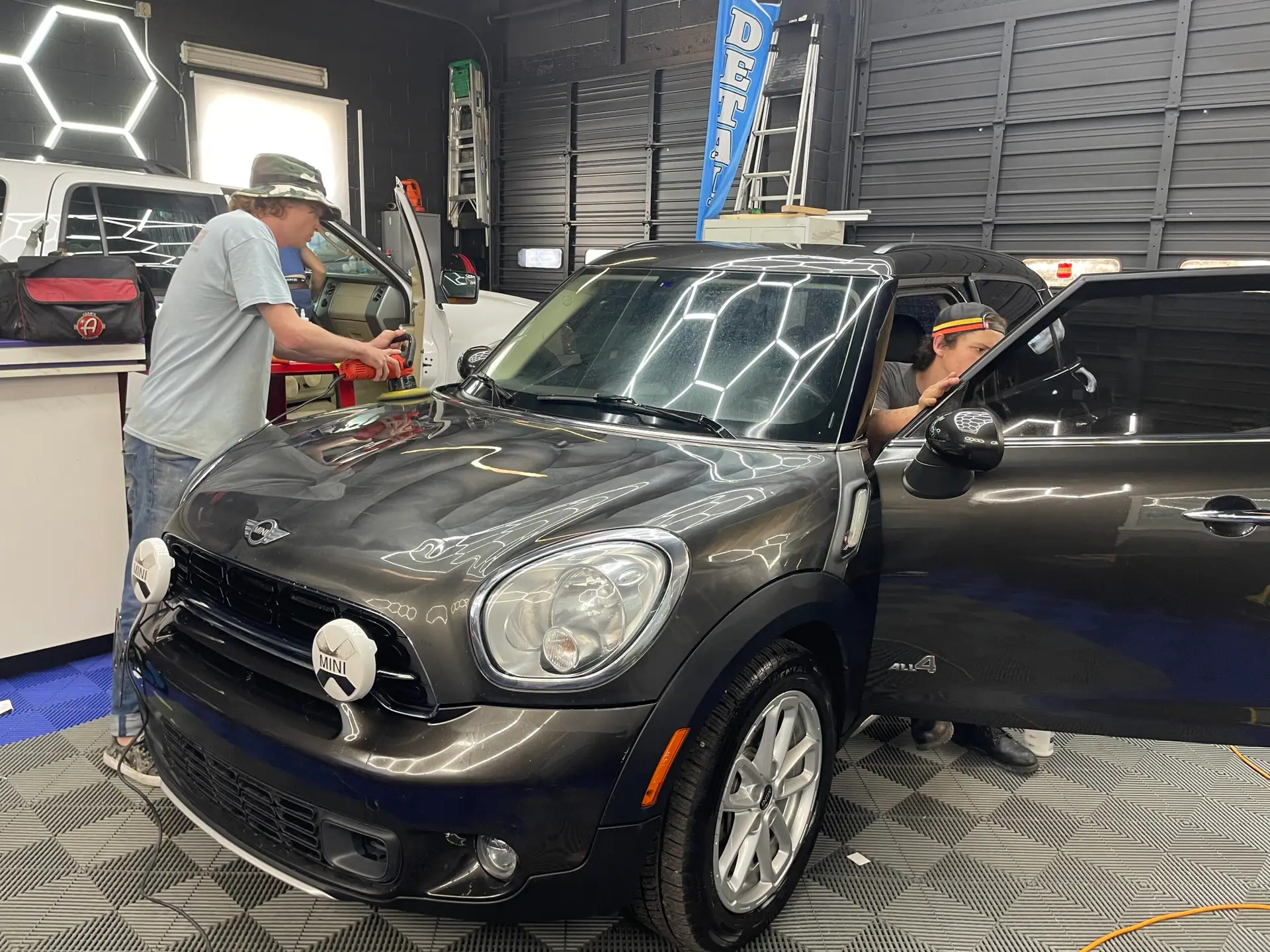
3-Year Ceramic Coating
$899 starting
- Great entry-level long-term protection
- Gtechniq EXO v5 coating system
- Includes full wash, decon & panel prep
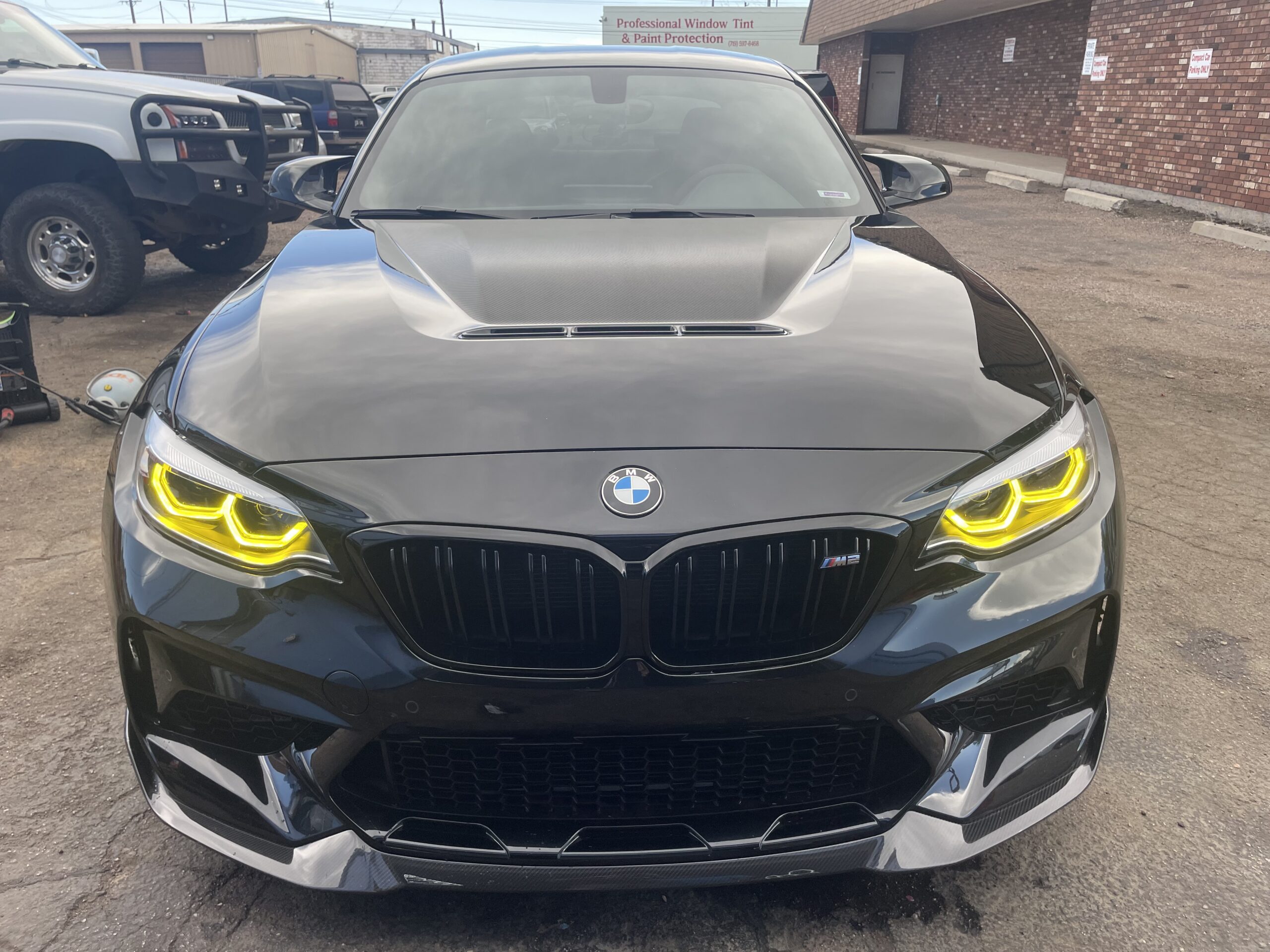
5-Year Gtechniq Ceramic Coating
$1,099 starting
- Premium long-term protection
- Crystal Serum Light coating system
- Smart View glass coating included free
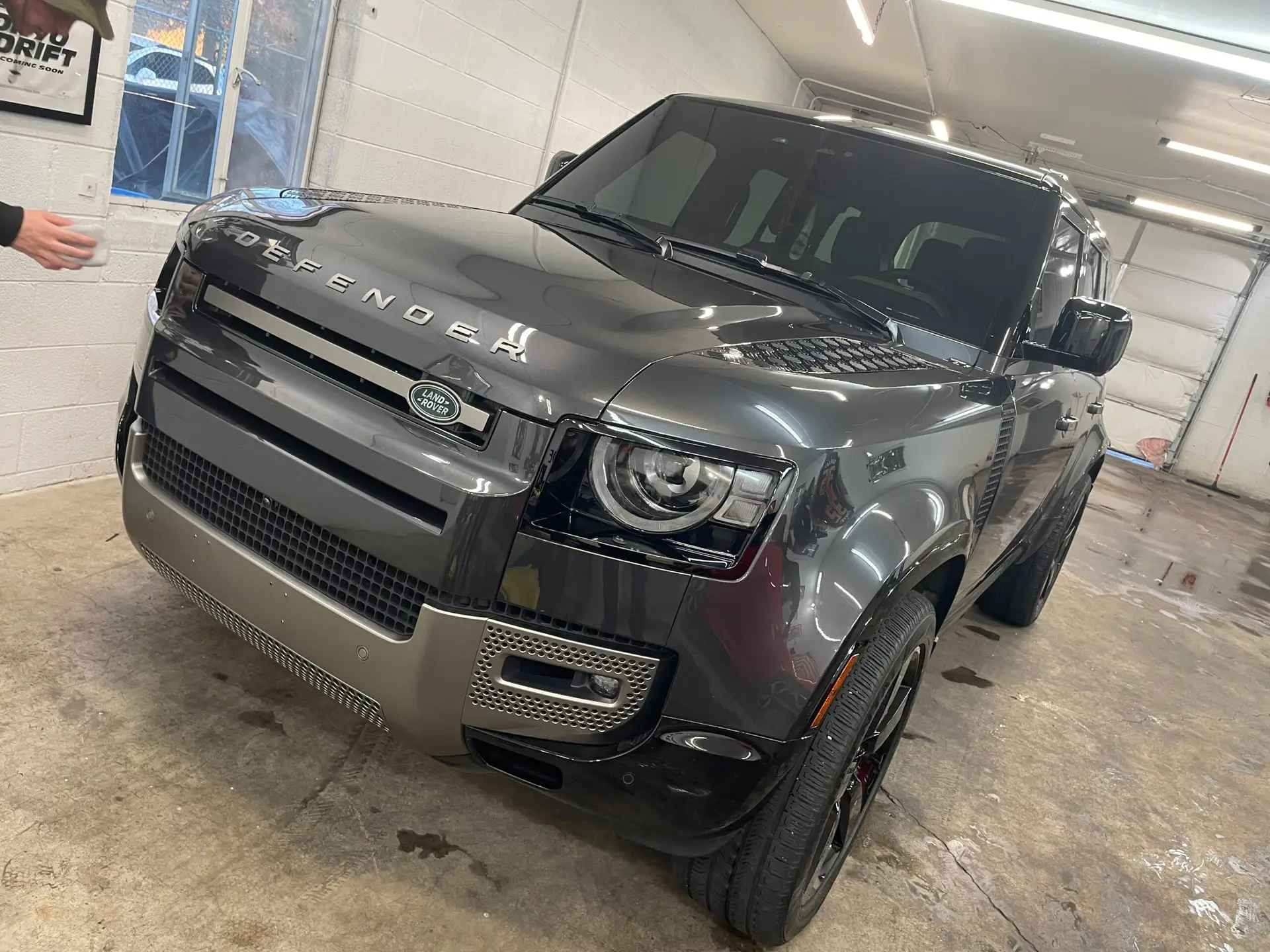
Ultra 9-Year Crystal Serum
$1,599 package
- Highest-level professional coating option
- C5 Wheel Armour included — $400 value
- In-shop installation only
Paint Correction Without Ceramic
- Corrects existing defects
- Restores clarity
- Improves gloss
- Surface stays dependent on conventional wax or sealant for protection
Paint Correction + Ceramic
- Corrected finish, locked in
- Long-term chemical protection
- Stronger hydrophobic performance
- Easier washing and maintenance
- Helps preserve gloss and clarity longer
Pair your paint correction with ceramic coating.
Ceramic coating doesn't prevent scratches or make paint damage-proof — it protects the corrected surface and slows how fast new swirls come back.
Paint Correction FAQ
Correction & Polish Questions Answered.
What Colorado Springs owners ask before booking.
Which level does my car need?
Most daily drivers with light swirls fall into Level 1 or 2. Send photos of your paint and ST6 will recommend the right level before you book.
How long does paint correction take?
Level 1 and 2 are typically same-day. Level 3's multi-day intensive correction is scheduled with enough time for compounding, intermediate polishing, and final jeweling.
Should I add ceramic coating after correction?
It's a good idea. Coating locks in the corrected finish and slows the return of swirls from everyday washing, but it's optional and quoted separately.
Do you correct paint on trucks, SUVs, and exotics?
Yes. ST6 corrects paint on daily drivers, trucks, SUVs, and exotics — the level recommendation depends on paint condition, not vehicle type.
What's the difference between paint correction and waxing?
Wax sits on top of the paint as a protective layer and washes off within weeks or months — it doesn't remove anything underneath it. Paint correction physically levels the clear coat to remove the swirls and haze themselves. Waxing over swirled paint just adds temporary shine on top of the same defects; it doesn't fix them.
Is machine polishing safe for my clear coat?
Yes, when it's done by someone measuring as they go. We check paint thickness before starting and stay well within a safe removal margin for every level — this is exactly why we don't offer correction as a blind add-on, and why heavily over-polished paint from a prior bad job sometimes limits what a later correction can safely do.
How often does paint need to be corrected again?
Corrected paint without a ceramic coating typically starts picking up new light swirls within 6–12 months of regular washing. A ceramic coating on top of the correction slows that down significantly — most coated vehicles don't need another full correction for several years, just maintenance washing.
Ready When You Are
Ready to Restore Your Paint?
Send photos and ST6 will inspect the vehicle and recommend the correction level it actually needs — not the biggest package we can sell you.
Free Quote · Within 1 Hour
Send a few photos of your paint. We'll recommend the right level.
Request DetailsST6 Detailers